The Nature of Luck in Gambling
Luck is often viewed as a mysterious force, a fleeting phenomenon that can dramatically alter the outcome of a game in an instant. In gambling, this randomness can lead to extraordinary wins or unexpected losses. Players frequently invest their hopes in the concept of luck, believing that a fortunate streak may turn the tide in their favor, especially when exploring bitcoin betting sites , which offer unique experiences and potential rewards. This reliance on chance plays a significant role in why gambling is both thrilling and unpredictable, creating an emotional rollercoaster for participants.
For instance, consider a game of roulette, where the ball’s landing spot is entirely determined by chance. No amount of preparation or strategy can predict the outcome with certainty. However, players often rely on strategies that might mitigate risk, such as betting on colors or patterns based on previous results. The illusion of control can be strong, but in essence, the outcome always hinges on luck, reinforcing the notion that the random aspect of the game is integral to the experience.
Moreover, the psychological effect of luck captivates many individuals. The thrill of possibly hitting the jackpot concocts a sense of euphoria and excitement. This is especially true in scenarios like slot machines, where players often chase that elusive winning combination. Understanding the dynamics of luck can help players embrace the uncertainty of gambling while navigating their way through various games.
The Role of Strategy in Gambling
While luck is a significant factor, strategic thinking can greatly enhance a player’s odds in certain gambling scenarios. Developing a robust strategy involves understanding the probabilities, rules, and nuances of the games being played. For example, poker is a game where skill and strategy play pivotal roles. Here, players must assess their own hands while reading their opponents, which requires a combination of analytical skills and psychological insight.
Strategy becomes essential when assessing risk versus reward. Players can utilize bankroll management techniques, which help in ensuring that their gambling remains enjoyable and sustainable. This approach not only mitigates the risks associated with losing large sums of money but also allows for calculated decision-making during play. By applying structured strategies, players can harness the potential of both skill and chance, leading to more favorable outcomes in the long run.
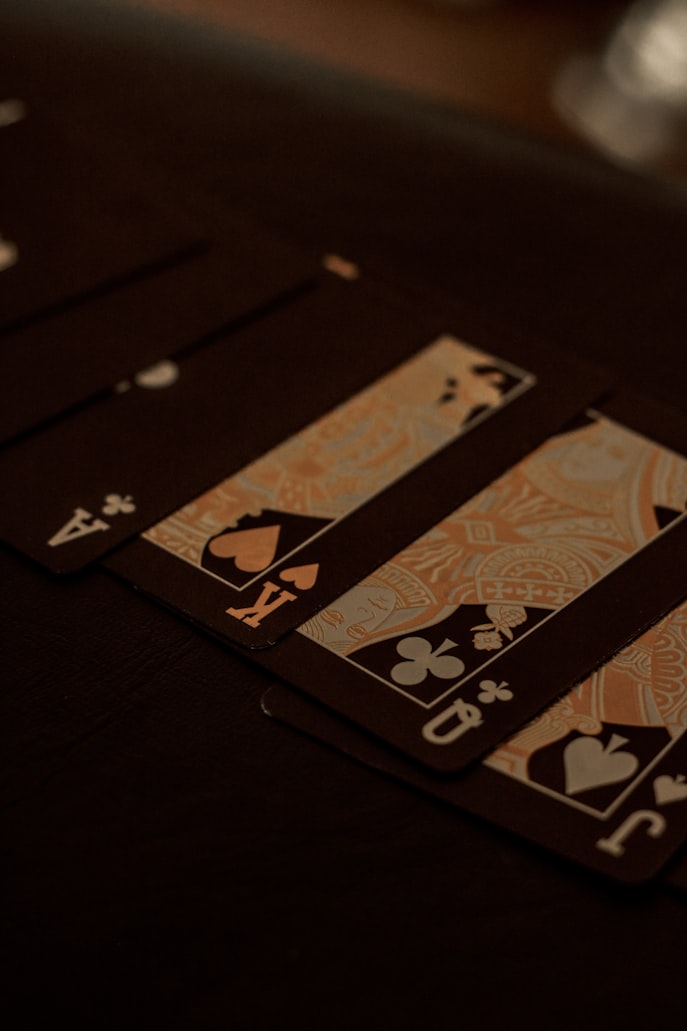
Additionally, leveraging statistical analysis can elevate a player’s performance. By analyzing previous game data and outcomes, strategic players can identify patterns or trends that may increase their likelihood of winning. This disciplined approach emphasizes the importance of preparation, underscoring that while luck plays its part, strategy provides a framework for navigating that luck effectively.
The Interplay Between Chance and Strategy
The interplay between chance and strategy creates a captivating environment in gambling. While strategies can improve outcomes, they do not negate the role of luck. In most gambling scenarios, outcomes are influenced by numerous variables that can change unexpectedly. For example, in blackjack, although players have established strategies to maximize their chances of winning, the dealer’s hand can still produce dramatic results that tip the scale in either direction.
This dynamic relationship prompts players to adapt their strategies continually. As they encounter different situations and opponents, adjustments may be necessary to align with the current flow of luck. Players often speak about the “sense” of when to press their bets during winning streaks, essentially a strategic response to perceived luck. Conversely, knowing when to step back during a losing streak is equally vital, showcasing the need for a balanced approach to gambling.
Moreover, this delicate balance creates an engaging experience that has drawn millions to casinos and online gaming platforms. Gamblers thrive on the challenge of outsmarting fate, revealing that the subconscious desire for mastery over luck is a primary motivator. As strategies evolve and players gain experience, they often shift from pure reliance on luck to a more nuanced understanding of the symbiotic relationship between chance and strategy.
The Psychology Behind Gambling Choices
The psychology behind gambling choices reveals why individuals are drawn to the thrill of betting. Often, the allure of chance can overshadow the potential risks, leading to a phenomenon known as the “gambler’s fallacy.” This belief holds that past outcomes affect future results, compelling players to chase losses or expect wins based on previous games. Understanding this psychological aspect is crucial for both players and casinos, as it shapes behaviors and betting patterns.

Additionally, cognitive biases play a significant role in decision-making during gambling. Players may overestimate their skills or the effectiveness of their strategies, leading to impulsive choices. The excitement and adrenaline rush that come with gambling can cloud judgment, often resulting in risky bets that do not align with an effective strategy. Recognizing these psychological traps can help gamblers make more informed choices, balancing chance and strategy more effectively.
Moreover, the social aspect of gambling cannot be ignored. Interactions with other players and dealers can influence decisions, creating an environment where collective luck seems tangible. Social proof may lead individuals to adopt behaviors they might not typically choose while gambling alone. This phenomenon highlights the importance of being aware of the surrounding influences, allowing players to stay grounded in their strategies while navigating the unpredictable nature of chance.
Your Guide to Responsible Gambling
Your approach to gambling should always prioritize enjoyment and responsibility. Understanding the nuances between luck and strategy can significantly enhance your overall experience, ensuring that it remains a fun and thrilling activity. It is important to set clear limits on your gambling expenditures and stick to them, regardless of your emotional highs and lows during play. This discipline reinforces the need to maintain a balanced perspective on winning and losing.
Furthermore, having access to resources that promote responsible gambling is essential. Many establishments offer tools and support groups aimed at educating players about the risks associated with gambling. By seeking out such resources, you can enhance your understanding of the interplay between luck and strategy, ultimately leading to more conscious decision-making. Being proactive about your gambling habits allows you to enjoy the experience fully while minimizing potential negative impacts.
In conclusion, gambling can be a thrilling venture when approached with the right mindset. By understanding the complex relationship between luck and strategy, players can navigate the world of gambling more effectively. Embracing both aspects can lead to not only a more enjoyable experience but also a greater appreciation for the games themselves. Remember, making informed decisions is key, and maintaining a responsible approach will always serve you well in the long run.